Upstream Forecasting Without Manual Models | Enertia
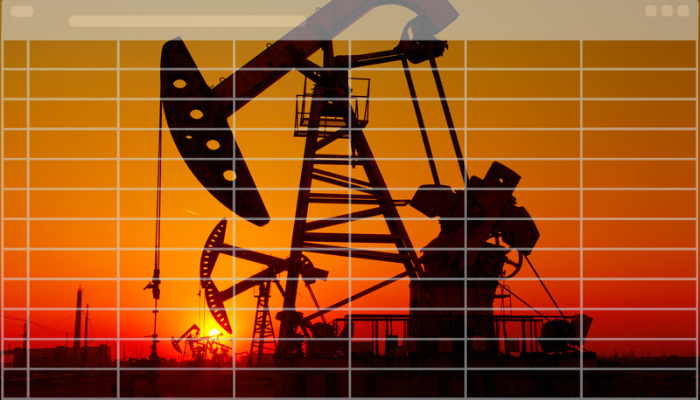
October is when upstream finance and operations teams stop looking back and start committing forward. Year-end forecasts are due, next year's capital budget is headed to the board, and drilling schedules, production outlooks and winterization plans all need to land at the same time.
The pressure is familiar. So is the problem: the numbers that matter most live in different places. Production volumes sit in one system, operational data in another, AFE spend in a third, and the forecast that ties them together usually lives in a spreadsheet someone built three budget cycles ago.
This year, there's a better way to plan. When production, operational and financial data share one platform, forecasting stops being a manual reconciliation exercise and becomes what it should be: a confident view of where your business is headed.
The Hidden Cost of Manual Forecasting Models
Spreadsheets are flexible, familiar and fast to start. That's exactly why they become a liability at scale. Every manual model carries risks that compound during budget season:
- Stale data. By the time production volumes are exported, cleaned and pasted into the model, they're already out of date. Forecasts built on last month's numbers can't reflect this month's reality.
- Version chaos. "Budget_v7_FINAL_revised.xlsx" is a running joke for a reason. When multiple people maintain copies of the same model, nobody is fully sure which numbers are current.
- Broken links and formula errors. One overwritten cell or misaligned lookup can quietly throw off a reserve estimate or capital plan by millions of dollars, and it may not surface until after approvals.
- Hours lost to reconciliation. Analysts spend days tying field data to accounting records instead of analyzing what the numbers mean.
- Key-person risk. When the person who built the model leaves, the institutional knowledge locked inside it often leaves too.
The result is a forecast leadership doesn't fully trust, built by a team that knows it's working with incomplete information. In a year of volatile commodity prices and tighter capital discipline, that uncertainty is expensive.
One Source of Truth: Production, Operations and Financials Together
Enertia was built for upstream oil and gas, which means production, operational and financial data aren't bolted together after the fact. They share a single integrated database from the start.
That changes how forecasting works. Instead of exporting volumes from a field data system, pulling revenue from accounting and lining up costs by hand, your team works from the same records that drive daily operations and month-end close:
- Production data flows directly into revenue and financial reporting, so forecasts start from actual, current volumes by well, lease or field.
- Operational data, including lease operating expenses, downtime and well performance, sits alongside the financials it affects.
- Financial data, from revenue distribution to joint interest billing, reflects the same production and ownership records your operations team relies on.
When everyone works from one source of truth, the conversation changes. Operations and finance stop debating whose numbers are right and start discussing what the numbers mean for next year's plan.

Real-Time Visibility into AFE Spend
Capital is where forecasting confidence matters most, and where manual tracking breaks down fastest. With drilling and completion programs running across multiple wells and partners, AFE overruns can build quietly until they show up as an unwelcome surprise at quarter-end.
Enertia connects AFE budgets directly to actual costs as they're recorded. Instead of waiting for someone to compile a variance report, your team can see:
- Approved AFE amounts versus actual and committed spend, by well or project
- Where costs are trending over budget, while there's still time to act
- How capital spend ties back to expected production and returns
That visibility carries straight into year-end planning. When you're building next year's capital budget, you're not guessing at what this year's program actually cost. You're working from real, reconciled numbers, which makes every budget request easier to defend.
Building Drilling, Production and Capital Outlooks You Can Defend
A credible annual plan answers three connected questions: what will we drill, what will it produce, and what will it cost? Manual models tend to treat these as separate exercises. Enertia lets you see them together.
With historical production, cost and revenue data in one place, your team can build outlooks grounded in how your assets have actually performed, not in assumptions copied forward from last year's spreadsheet. That makes it easier to:
- Compare planned activity against historical well performance and decline trends
- Model how pricing scenarios affect revenue and cash flow
- Align capital allocation with the assets most likely to deliver returns
- Produce consistent reports for management, partners, lenders and the board
When leadership asks how a number was built, you can show them. That traceability is what turns a forecast from an educated guess into a plan people are willing to approve.
Planning for Winter Before It Hits the Numbers
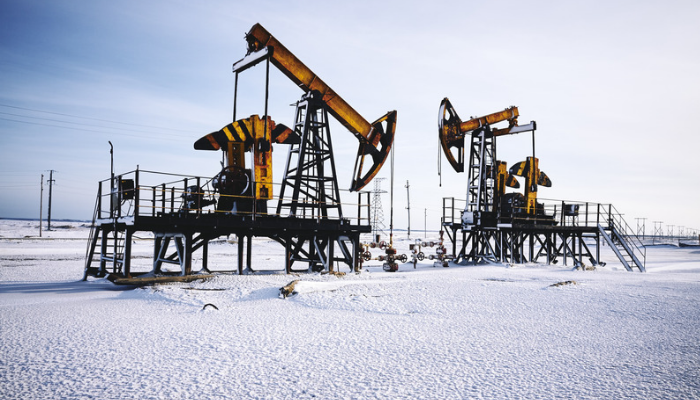
Winterization is an operational task with real financial consequences. Freeze-offs, shut-ins and weather-related downtime can cut into production, while chemical programs, heat tracing and equipment upgrades add to operating costs.
Because Enertia keeps operational and financial data together, you can look back at how past winters affected production and expenses on specific wells and leases. That history helps you budget winterization spend where it matters most and build realistic seasonal assumptions into your production forecast, rather than absorbing the impact after the fact.
Frequently Asked Questions
What data do upstream operators need for an accurate year-end forecast?
An accurate forecast needs current production volumes, operating costs, AFE spend and revenue data, all tied to the same wells and leases. When that data lives in separate systems, teams spend their time reconciling numbers instead of planning. An integrated platform keeps all four connected, so the forecast starts from figures everyone already agrees on.
What is AFE variance tracking, and why does it matter for budgeting?
AFE variance tracking compares the approved budget on an Authorization for Expenditure against the actual and committed costs recorded for that well or project. Catching overruns early gives you time to adjust the drilling or completion program. It also gives you reconciled cost history to build next year's capital budget on.
Why are spreadsheet forecasting models risky for oil and gas companies?
Spreadsheet models rely on manual exports, so their data is often out of date before the forecast is finished. Multiple versions, broken formulas and knowledge locked with the person who built the model all add risk. In capital planning, a single error can shift a budget by millions of dollars.
How should winterization factor into a production forecast?
Winter can reduce production through freeze-offs, shut-ins and downtime, while raising operating costs for chemicals, heat tracing and equipment. The most reliable approach is to review how past winters affected specific wells and leases. Then build those seasonal impacts into both your production forecast and your operating budget.
Forecast with Confidence This Budget Season
The best forecasts aren't built from the cleverest spreadsheets. They're built from accurate, current, connected data, and from teams that can spend their time on analysis instead of reconciliation.
Enertia brings production, operational and financial data together in one platform, giving upstream operators real-time visibility into volumes, costs and AFE spend. The result is a forecasting process that's faster, more accurate and easier to defend in front of leadership.
Year-end won't wait, and neither should your planning. Leave the manual models behind and walk into budget approvals with numbers you trust.
Ready to see it in action? Request a Forecasting & Reporting Demo and learn how Enertia can help your team plan next year with confidence.